
Handmade Vs. Machine-Made Rugs: What Is The Difference?

When shopping for a rug, it is easy to focus on color, pattern, and size. However, one of the most important differences is often less obvious at first glance: how the rug was made.
Handmade and machine-made rugs can both add comfort and style to a room, but they differ greatly in craftsmanship, construction, durability, character, and long-term value. Understanding these differences can help you choose a rug that fits your home, lifestyle, and expectations.

How Handmade Rugs Are Made
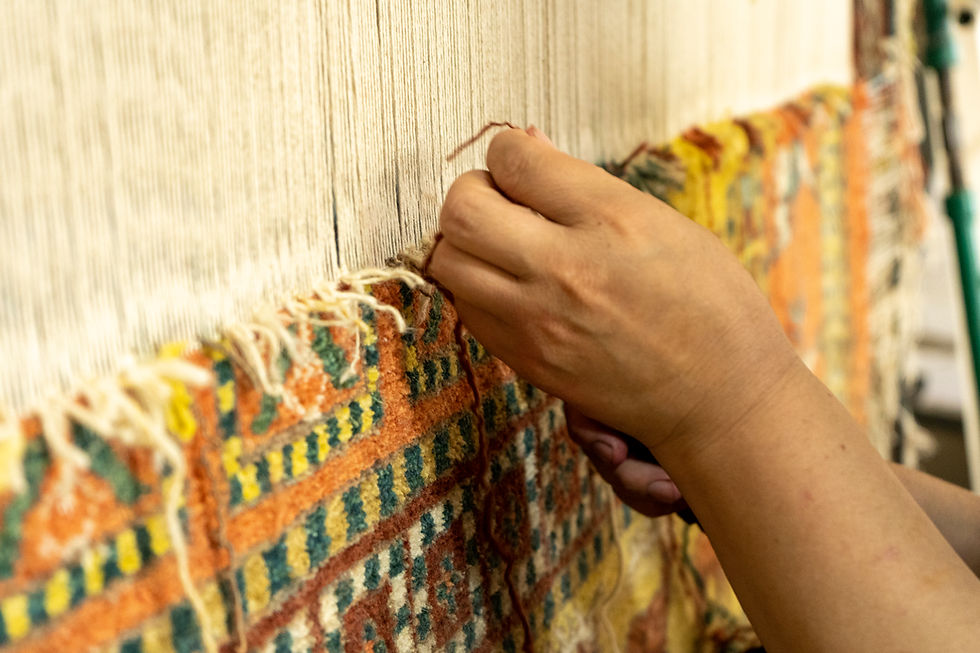
Handmade rugs are created by skilled artisans using traditional techniques that may take months or even years to complete.
Many handmade rugs are hand-knotted. This means individual pieces of yarn are tied by hand around the rug’s foundation threads. The knots are carefully arranged to create the pattern, texture, and structure of the finished rug.
Other handmade techniques include hand-tufting, flatweaving, and hand-hooking. Each process creates a different look and feel, but all involve a significant amount of work performed by hand.
Because handmade rugs are created individually, no two are exactly alike. Small variations in pattern, color, and weaving are part of the rug’s character and are often signs of authentic craftsmanship.

How Machine-Made Rugs Are Produced
Machine-made rugs are manufactured using automated weaving or tufting equipment. Digital patterns guide the machinery, allowing rugs to be produced quickly and in large quantities.
This process creates a very consistent appearance. Rugs from the same collection are generally identical in color, pattern, and dimensions.
Machine production also makes these rugs more widely available and often less expensive. They can be a practical choice for temporary spaces, rental properties, children’s rooms, or areas where the rug may need to be replaced more frequently.
However, machine-made rugs generally do not offer the same level of detail, individuality, or longevity as a quality handmade rug.

Craftsmanship And Detail
One of the most noticeable differences between handmade and machine-made rugs is the level of craftsmanship.
A handmade rug reflects the skill of the artisan who created it. Complex patterns may include thousands or even millions of individually tied knots. Subtle changes in color and design give the rug depth and visual interest.
Machine-made rugs are designed for uniformity. Their patterns may appear precise, but they often lack the natural variations and dimensional quality found in handcrafted pieces.
The difference becomes especially clear when the rugs are viewed up close. Handmade rugs often have richer textures, more intricate details, and a greater sense of movement within the design.

Materials
Handmade rugs are frequently made with natural materials such as:
Wool
Silk
Cotton
Natural plant fibers
Wool is especially popular because it is durable, resilient, naturally stain-resistant, and comfortable underfoot. Silk may be used to add sheen and highlight fine design details.
Machine-made rugs are commonly produced with synthetic materials such as polyester, nylon, polypropylene, or acrylic. These fibers can offer stain resistance and lower pricing, but they may not age as gracefully as high-quality natural fibers.
The type of fiber affects how the rug feels, wears, cleans, and responds to sunlight over time.

Durability And Longevity
A well-made handmade rug can last for decades and, in many cases, for generations. The dense knotting, strong foundation, and quality natural fibers help handmade rugs withstand regular use. When properly maintained, they may become family heirlooms that continue to gain character over time.
Machine-made rugs typically have a shorter lifespan. Depending on their materials and construction, they may show matting, fading, edge wear, or backing deterioration after several years.
This does not mean every handmade rug is automatically superior or that every machine-made rug is poorly constructed. Quality varies within both categories. However, a finely crafted handmade rug is generally designed with much greater longevity in mind.
Individuality And Character
A handmade rug is not simply a manufactured home accessory. It is the result of an artisan’s time, technique, and creative decisions. Slight irregularities are often part of its beauty. Variations in knots, color, or pattern show that the rug was made by a person rather than produced by a machine.
Machine-made rugs are highly consistent. This can be helpful when matching multiple rugs or creating a uniform design, but it also means they lack the one-of-a-kind quality of a handmade piece.
For homeowners who want something distinctive, a handmade rug offers a level of personality that mass-produced rugs cannot easily replicate.
How To Tell The Difference
Several details can help you determine whether a rug is handmade or machine-made.
Look At The Back
The design on the back of a hand-knotted rug usually mirrors the pattern on the front. You should be able to see the individual knots and construction clearly.
Machine-made rugs often have a uniform backing, mesh, adhesive layer, or less detailed version of the front pattern.
Examine The Fringe
On many handmade rugs, the fringe is part of the rug’s foundation. It extends naturally from the warp threads.
On machine-made rugs, fringe may be sewn or attached after the rug has been produced.
Check The Edges
Handmade rugs often have hand-finished edges with slight variations. Machine-made edges tend to look extremely uniform.
Study The Pattern
Minor variations in a handmade rug can indicate that the pattern was created by hand. Machine-made designs usually repeat with perfect consistency.
Feel The Texture
Natural fibers and hand-knotting often create a richer, more substantial texture. Machine-made rugs may feel smoother, lighter, or more uniform.
Price And Long-Term Value
Machine-made rugs usually cost less because they can be produced quickly and in large quantities.
Handmade rugs require much more time, labor, and skill. Their pricing may also reflect the quality of the fibers, complexity of the design, knot density, origin, age, and condition.
Although the initial cost of a handmade rug may be higher, it can offer better long-term value when properly selected and cared for. Instead of replacing a rug every few years, you may enjoy the same piece for decades.
Certain antique and collectible rugs may also retain or increase their value, though this depends on many factors and should be evaluated by an experienced professional.

Which Type Of Rug Is Right For Your Home?
The right choice depends on how the rug will be used and what you want from it.
A machine-made rug may be suitable when you need:
A lower-cost option
A temporary decorating solution
Matching rugs in several rooms
A rug for a rental or frequently changing space
Easy access to specific standard sizes
A handmade rug may be the better choice when you want:
Lasting quality
Natural materials
Unique character
Detailed craftsmanship
A focal point for the room
A piece that can be enjoyed for generations
Experience The Difference In Person
Photographs can show the colors and patterns of a rug, but they cannot fully capture its texture, construction, and craftsmanship.
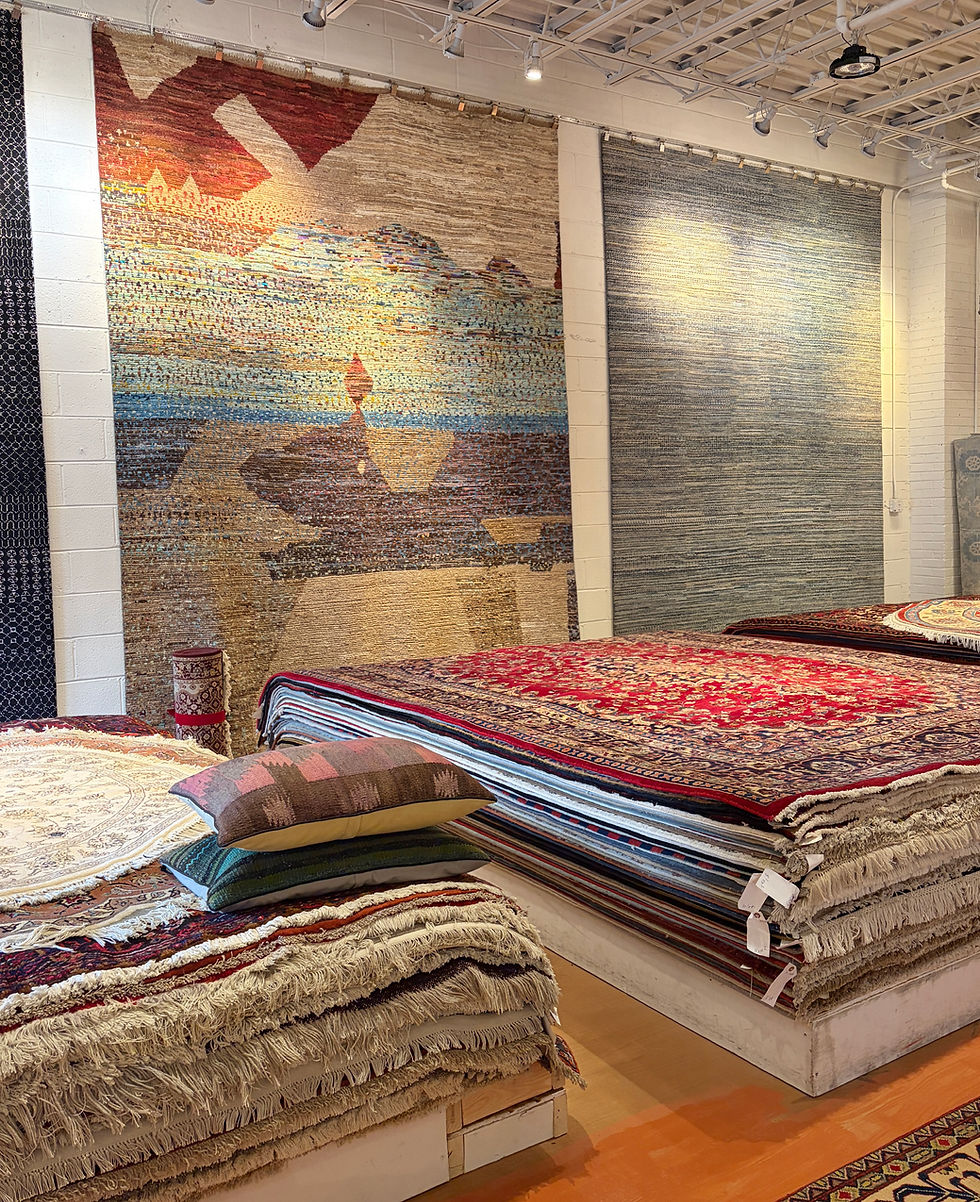
Seeing handmade and machine-made rugs side by side makes the differences much easier to understand. You can feel the fibers, examine the knots, compare the backs, and see how each rug responds to light.
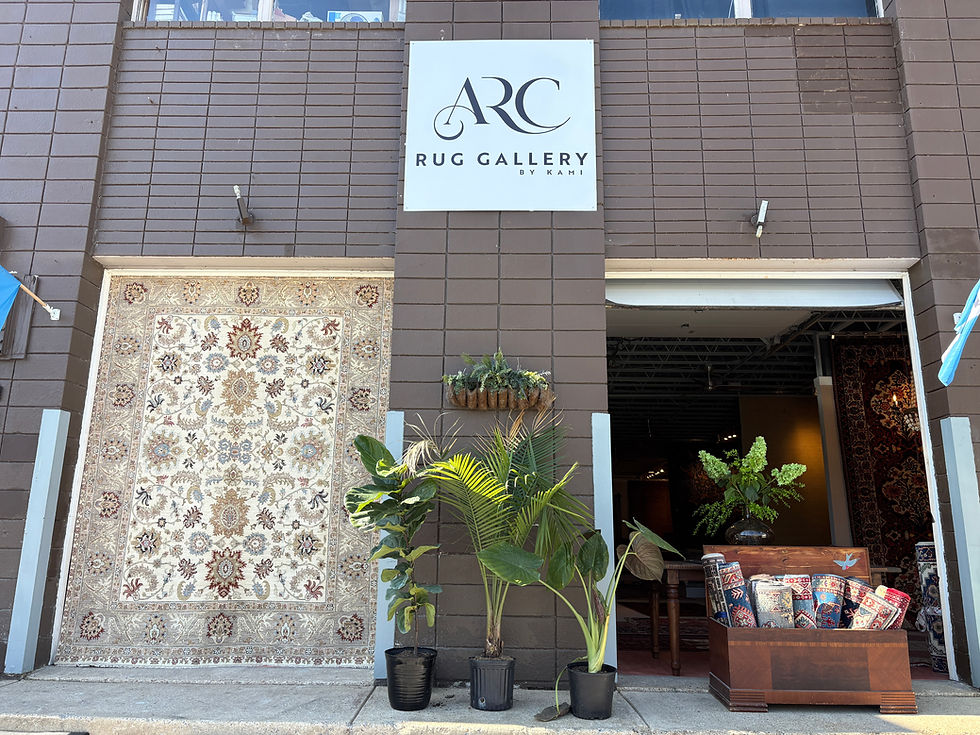
At ARC Rug Gallery, we can help you explore handcrafted rugs in a wide range of colors, patterns, sizes, and styles. Whether you prefer traditional designs, modern patterns, quiet neutrals, or bold statement pieces, our team can help you find a rug that complements your space and meets your needs.
Visit our Kensington gallery to experience the beauty and craftsmanship of handmade rugs in person.
ARC Rug Gallery
📍 4208 Howard Avenue, Kensington, MD
📞 301-493-4000


Comments